Hazardous Waste Disposal Austin: A Vital Step for a Cleaner and Safer Future
October 3, 2025The proper hazardous waste disposal Austin process is one of the most important aspects of maintaining environmental health and public safety. Hazardous materials—whether from industrial activities, household products, or healthcare settings—pose serious threats to the environment and human health if not properly managed. In this post, we’ll explore the critical need for safe hazardous waste disposal Dallas, the consequences of improper handling, and how to find hazardous waste disposal near me Washington to ensure these dangerous materials are dealt with responsibly.
What Is Hazardous Waste?
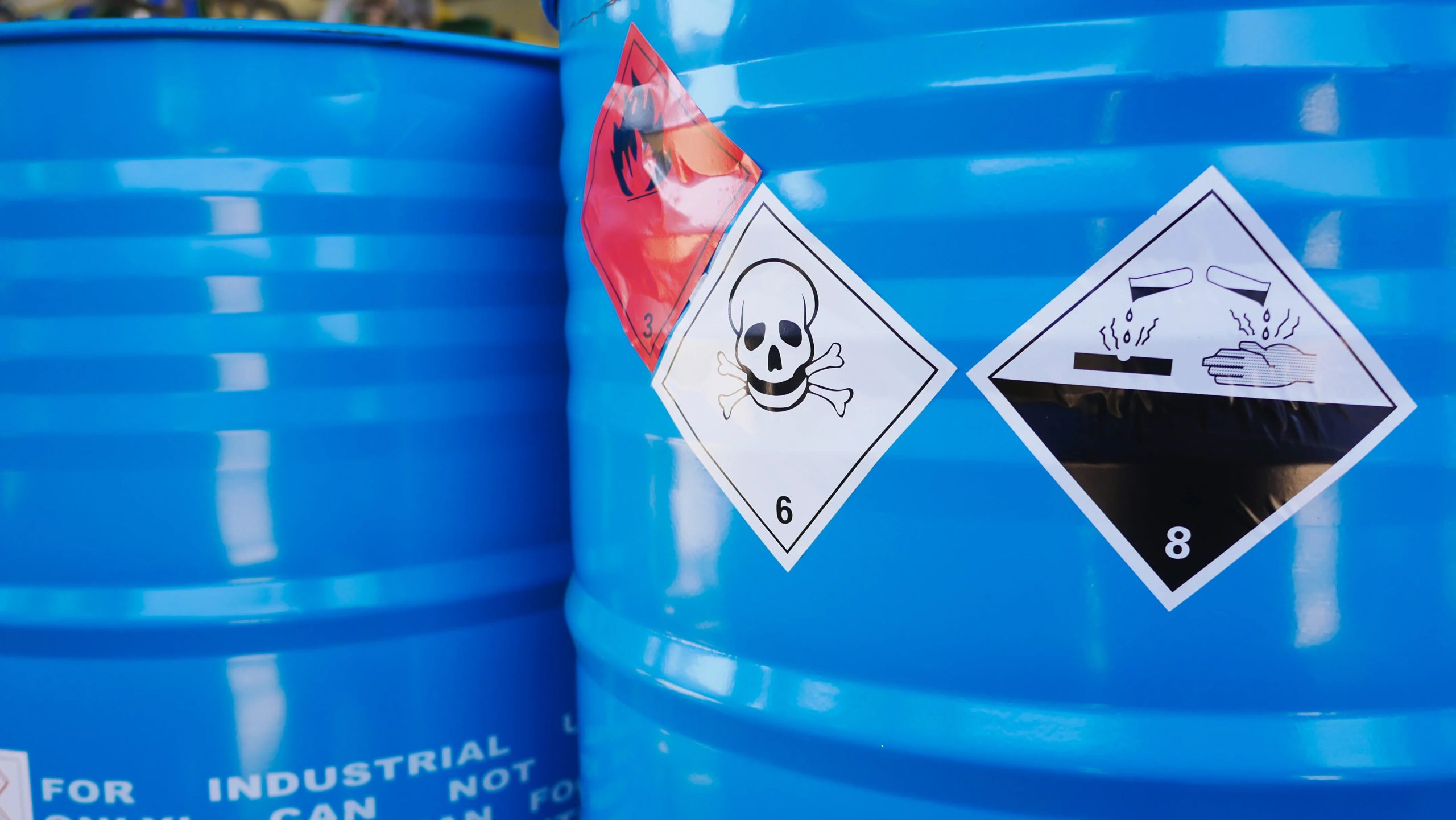
Hazardous waste refers to materials that have properties that can cause harm to human health, wildlife, or the environment. These materials can be toxic, reactive, corrosive, or flammable. When not disposed of properly, hazardous waste can seep into our air, water, and soil, leading to widespread pollution and health risks.
Common sources of hazardous waste include:
-
Household products: Items like batteries, paint, cleaning agents, and pesticides.
-
Industrial byproducts: Chemicals, oils, acids, and contaminated materials produced by factories, refineries, and other industrial operations.
-
Medical waste: Used needles, expired medications, and other hazardous materials from healthcare facilities.
Given the potential harm, it’s crucial to follow proper hazardous waste disposal Milwaukee procedures to prevent environmental contamination and protect public health.
Why Is Proper Hazardous Waste Disposal So Important?
The improper disposal of hazardous materials can result in irreversible damage to ecosystems and public health. Here’s why hazardous waste disposal Mobile is so important:
-
Environmental Protection: Hazardous waste can easily contaminate soil, air, and water if not properly managed. Toxic substances can pollute rivers, lakes, and oceans, harming aquatic life and ecosystems. Additionally, these materials can make the soil toxic and uninhabitable for plants and animals.
-
Health Hazards: Exposure to hazardous waste, such as pesticides, solvents, or chemicals in batteries, can cause serious health problems. Long-term exposure may lead to respiratory issues, neurological damage, or even cancer. It is particularly dangerous for workers handling hazardous waste and residents living near improperly managed waste sites.
-
Wildlife Safety: Hazardous materials can easily enter the food chain. Aquatic animals may ingest or absorb toxic chemicals, which can then be passed on to other wildlife or even humans. Contaminated water sources can lead to widespread poisoning of both wildlife and domestic animals.
-
Legal and Financial Risks: Improper disposal of hazardous waste is illegal in many areas and can lead to hefty fines, penalties, or even criminal charges. It’s important to follow all local regulations regarding hazardous waste disposal to avoid these legal issues.
Identifying Hazardous Waste in Your Home or Business
While most hazardous waste is generated by industries, household items also often contain dangerous chemicals. Here are some common materials that require hazardous waste disposal:
-
Batteries: Most batteries, particularly rechargeable and car batteries, contain toxic metals like mercury, cadmium, and lead. These materials can leach into the environment if disposed of improperly.
-
Cleaning Products and Paints: Household cleaning products, solvents, and oil-based paints contain harmful chemicals that can pollute water and soil if not disposed of correctly.
-
Fluorescent Bulbs: Fluorescent bulbs contain small amounts of mercury, which is harmful to both human health and the environment. They should never be thrown in the trash.
-
Expired Medications: Pharmaceuticals, when not disposed of properly, can leach into the water supply and harm aquatic life. Many communities offer collection events for expired medications to ensure they are disposed of safely.
-
Electronics: Old electronics, such as phones, computers, and televisions, contain hazardous materials like lead, mercury, and cadmium. These materials need to be recycled through proper e-waste disposal channels.
The Risks of Improper Hazardous Waste Disposal
Improperly disposing of hazardous waste—whether by tossing it in the trash, pouring it down the drain, or simply leaving it exposed in landfills—can have dire consequences for both the environment and public health:
-
Contaminated Water: Hazardous waste that seeps into rivers, lakes, or groundwater sources can poison drinking water supplies. This contamination can last for years, affecting entire communities and ecosystems.
-
Soil Pollution: Toxic chemicals can leach into the soil, making it unsuitable for agriculture and harming plant life. Contaminated soil also poses a long-term risk to wildlife and humans who may come into contact with it.
-
Air Pollution: Many hazardous materials release toxic fumes when disposed of improperly. These gases can contribute to air pollution and harm the respiratory system of people living nearby.
-
Fire and Explosion Hazards: Some hazardous materials, such as oils, solvents, and chemicals, are highly flammable. Improper disposal can result in fires or explosions, putting everyone nearby at risk.
How to Find Hazardous Waste Disposal Near Me
If you’re asking, “Where can I find hazardous waste disposal near me?” there are many options available to ensure your waste is disposed of safely:
-
Local Collection Events: Many municipalities organize hazardous waste disposal events where you can drop off household hazardous materials like paint, batteries, and cleaning products. Check your local government website or waste management authority for more details on event dates and locations.
-
Certified Disposal Facilities: For larger amounts of hazardous waste, or for more complex materials like industrial chemicals or medical waste, it’s best to consult a certified hazardous waste disposal company. These professionals ensure that waste is handled, transported, and disposed of in compliance with all local, state, and federal regulations.
-
Retail Drop-off Locations: Some retailers, including home improvement stores and pharmacies, offer services to help you safely dispose of items like batteries, light bulbs, and electronics. It’s worth checking with your local stores to see if they participate in hazardous waste collection programs.
-
Online Resources: Websites like Earth911 allow you to search for hazardous waste disposal near me by entering your zip code. This can help you find the nearest collection sites, recycling centers, or disposal events for hazardous materials.
-
Professional Waste Management Services for Businesses: If you’re managing a business that generates hazardous waste, you should work with a professional waste management company that specializes in large-scale hazardous waste disposal. They will ensure that all materials are disposed of safely and in compliance with environmental laws.
The Role of Hazardous Waste Disposal in Recycling
Not all hazardous waste needs to be discarded. In many cases, materials like certain metals, electronics, and solvents can be recycled, reducing the environmental impact. Recycling hazardous waste requires specialized equipment and processes, but it helps to recover valuable materials and prevent waste from entering landfills. Here’s how recycling plays a role in hazardous waste disposal:
-
E-Waste Recycling: Electronics contain valuable materials like copper, aluminum, and gold, which can be extracted and reused. Recycling these items helps reduce the need for mining and minimizes environmental damage.
-
Battery Recycling: Instead of throwing batteries away, they can be sent to specialized recycling facilities where toxic metals are safely extracted and reused. This prevents harmful chemicals from leaching into the environment.
-
Paint Recycling: Some paint recycling programs allow you to bring in unused or old paint to be reused or repurposed, reducing the need for disposal and minimizing waste.
0 Comments